
SIGN UP FOR NEWSLETTER
Be the First to Know. Sign up to newsletter today



Jyoti

3940 views

add comment
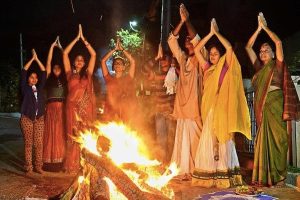
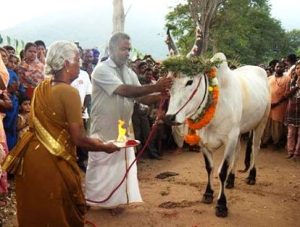
The much awaited harvest festivals will kick off in the country starting on the 13th of January 2026. India is a diverse country with a mix of cultures, rituals & memories. However, this agrarian harvest festival is a major festival & is celebrated among rural communities across India for centuries. It is rooted in astronomy & agriculture. Rice, sugarcane, turmeric, & jaggery are integral to the festivities. It is a shared feeling across India & is celebrated in multiple ways. Cooking a rice dish with jaggery, a dip in the holy Ganges, dancing & singing around bonfire, kite flying, taming the bull & so on. The festival is known by different names in different parts of India–Lohri, Pongal, Bihu as well as Makar Sankranti.
Pongal, is celebrated in South India and Makar Sankranti in several other regions of India. Lohri, is celebrated on January 13 each year with joy and enthusiasm in Punjab & North India. Magh Bihu is a harvest festival celebrated in Assam in the North East. In addition, the harvest festival, BIHU, is celebrated in Nepal too.
The day is marked in the calendar as the sun’s journey from the southern to the Northern hemisphere. It is the first day the transmigration of the sun into the zodiac of Capricorn (known as makara rashi in the Indian calendar) from Sagittarius. Hence the festival is popularly known as Makar Sankranti. The word Sankranti means transition. In addition, it is the end of the winter solstice and the end of the harsh winter in North India. In other words, it marks the beginning of the spring season & longer days. This year, Makar Sankranti will be celebrated on January 15th.
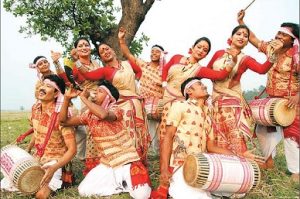
Further, people in the north east celebrate this festival as Magh Bihu. There is a bonfire in the last day of the previous month and people rejoice, cook dinner and dance around the fire. For instance, rice cakes & sweets with coconut are made and young men and women dance and play games. In addition, bull fighting is also a sport that continues. In addition, shopping & wearing new clothes is an important part of the celebrations.
The harvest festivals are celebrated around the fire and rice & sugarcane are cooked and eaten across India. It is thanksgiving for the rich harvest.
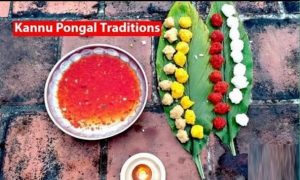
In other words, Pongal/Lohri is a festival that celebrates gratitude, hard work, prosperity and harmony with nature. It reflects the rich agricultural and cultural traditions of India and brings people together. The sun & rain god, animals and birds are all worshipped. As a matter of fact, “Thanksgiving Harvest Festival” is a very sacred festival in India. Offering the newly cooked food to the deities, is a way of showing respect to food & all that goes into making it- from the farm to the table.
People celebrate the Pongal festival with music and dance performances all around the State. Shops offer special discounts on Pongal purchases. Therefore, make the most of this and enjoy shopping in Chennai.
Finally, visit the T Nagar and the Mylapore Market in Chennai to make Pongal purchases. Shops such as Sarvana Stores, RMKV and Pothys all have a special discount on Pongal purchases. The Mylapore Market area near the Kapalishwar Temple organises a Rangoli competition. Enthusiastic participants cover the entire stretch of road. Women also participate in traditional Board Games.
Shop in Karol Bagh, Lajpat Nagar & Sarojini Nagar Markets in Delhi for new clothes and utensils.
Also Read
Be the First to Know. Sign up to newsletter today

Thanks, quite great article.
Beautifully written.
Heya just wanted to give you a brief heads up
I learnt about Magh Bihu in Assam only from this post of yours.